Here at Island Nature Trust, we are strong advocates for leashing our pets. Below are some key reasons why dog-leashing is so important for the environment and the health and safety of our four-legged loved ones.
Environmental Benefits:
Protecting Species-at-Risk
-
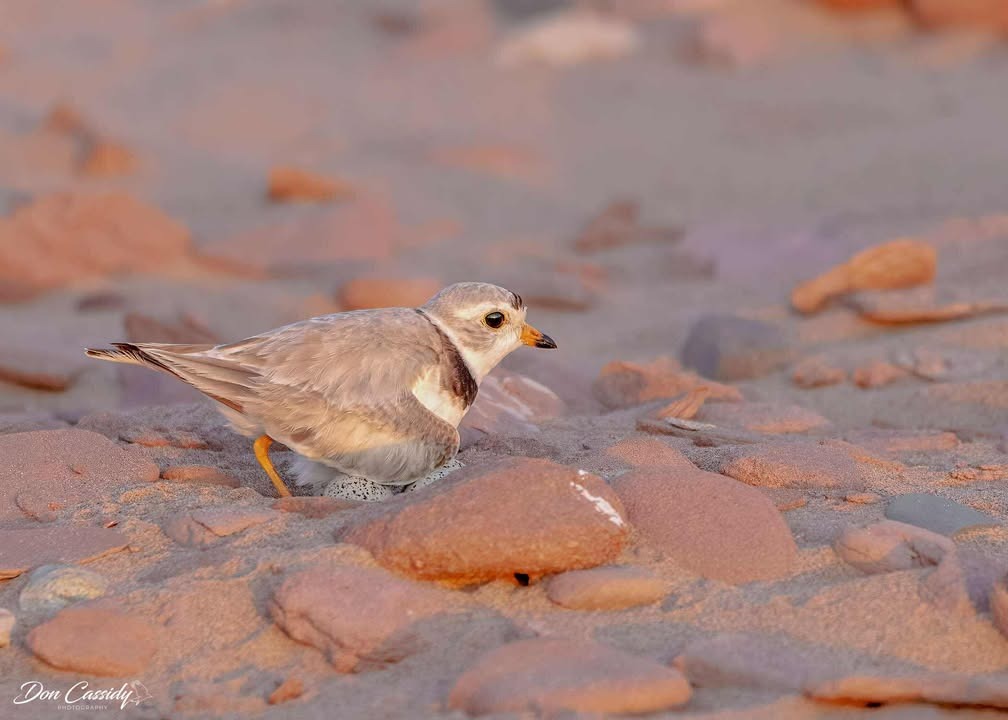
- Piping plover are an endangered bird species that nest on beaches here in PEI and are especially vulnerable to off-leash dogs.
-
Piping plovers are small and well-camouflaged, meaning they can be easily missed by us humans. Our dogs, however, can more easily locate them with their keen senses.
-
- As a species-at-risk, piping plover and their nesting habitats are legally protected under the Species At Risk Act. Despite our best intentions, our dogs can unknowingly threaten these important birds and their habitats.
-
Piping plover chicks are small and flightless, making them easy targets for curious dogs.
-
Even if your dog does not catch a plover or destroy a nest, their presence while off-leash causes the plovers to waste precious energy running from our pets, which may result in failed nesting attempts and failed migrations.
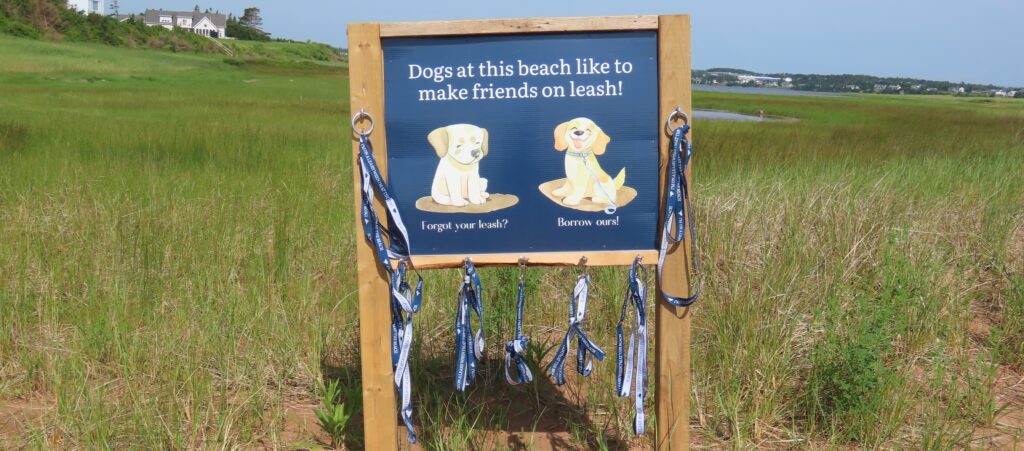
You may see our new Leash Libraries on a few beaches with nesting piping plover. These libraries were installed to help encourage dog leashing and were funded through the Wildlife Conservation Fund.
Protecting Other Wildlife
Beaches, forests and wetlands across PEI are all home to ground-nesting birds and mammals. Dogs love to run free, but they can and do destroy ground nests and kill or injure young mammals and flightless birds. They also waste the precious energy of birds that are fueling up for a long-distance migration; that loss adds up over many days spent repeatedly avoiding well-fed and playful dogs. By leashing our dogs, we can help protect our wild friends!
Protecting Habitats
Loose dogs can damage sensitive and rare plants. For example, the roots of the marram grass that covers PEI’s beautiful sand dunes are the “web” that holds the entire dune in place. Once the marram grass is destroyed, the entire dune disappears.
Benefits to Your Pet and the Public:
Protecting Your Pet
Though it often seems like a harmless and idyllic place, the beach can pose significant threats to your dog especially if they are running loose:
-
AVIAN INFLUENZA
-
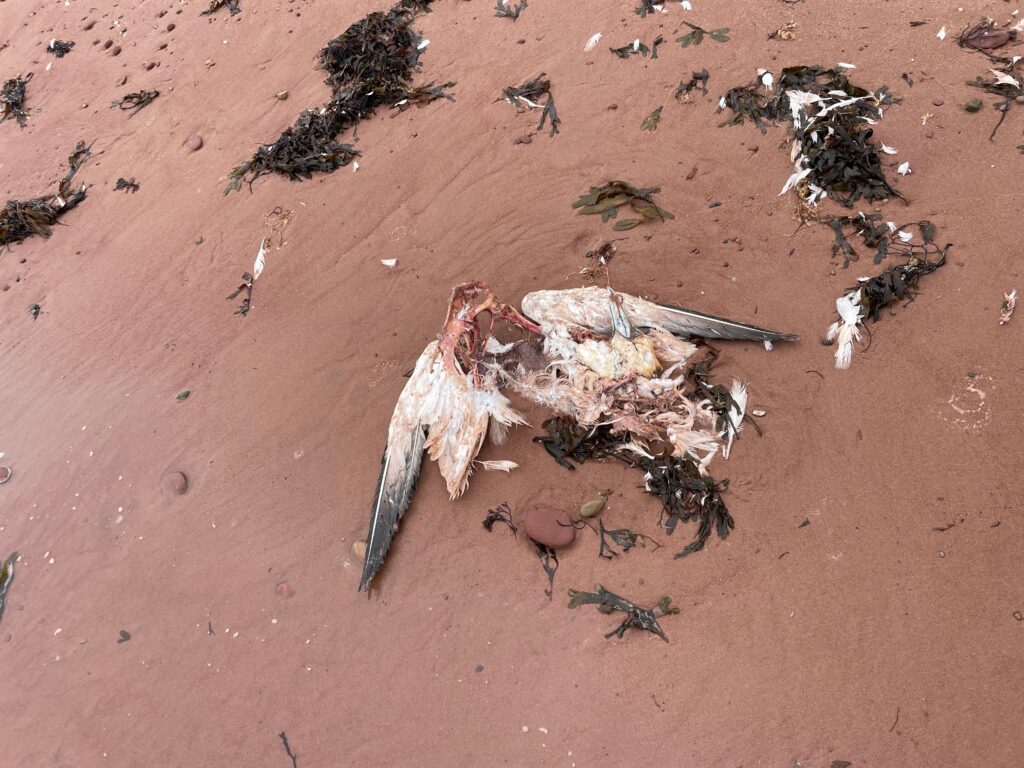
The ongoing avian influenza is killing many seabirds, resulting in diseased carcasses on many public beaches. Dogs roaming freely on the beach can easily come in contact with these remains or infected birds and are at risk of contracting the virus.
-
-
SHELLS
-
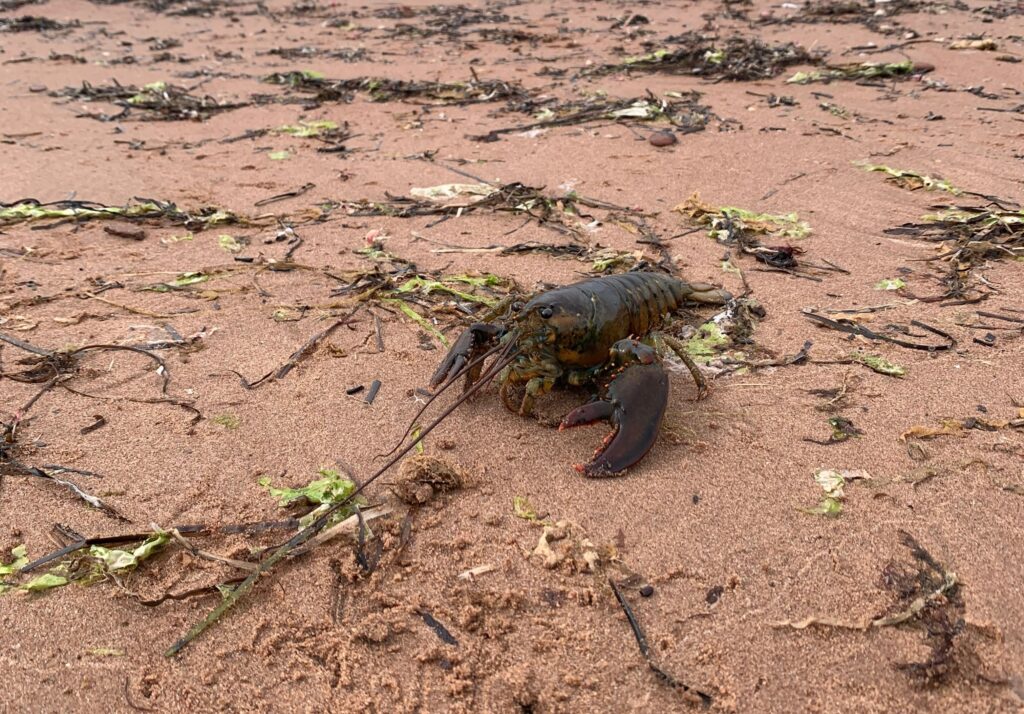
Shells from crabs, lobsters and bivalves can be fatal to your dog. Shells are sharp, hard, and indigestible, which can result in throat and mouth lacerations, internal organ punctures, digestive tract blockages, or choking.
-
-
SALT WATER
-
Drinking salt water can result in vomiting and diarrhea. If off-leash, you may not notice how much salt water your dog is drinking- meaning an upset tummy for your pup and a potentially messy post-beach day for you!
-
-
WASHED UP SEA CREATURES,
-
Dead fish, marine mammals, and jellyfish commonly wash up on our beaches. Your dog can easily ingest or roll in these unfortunate critters resulting in illness or a smelly drive home!
-
-
BEACH DEBRIS
-
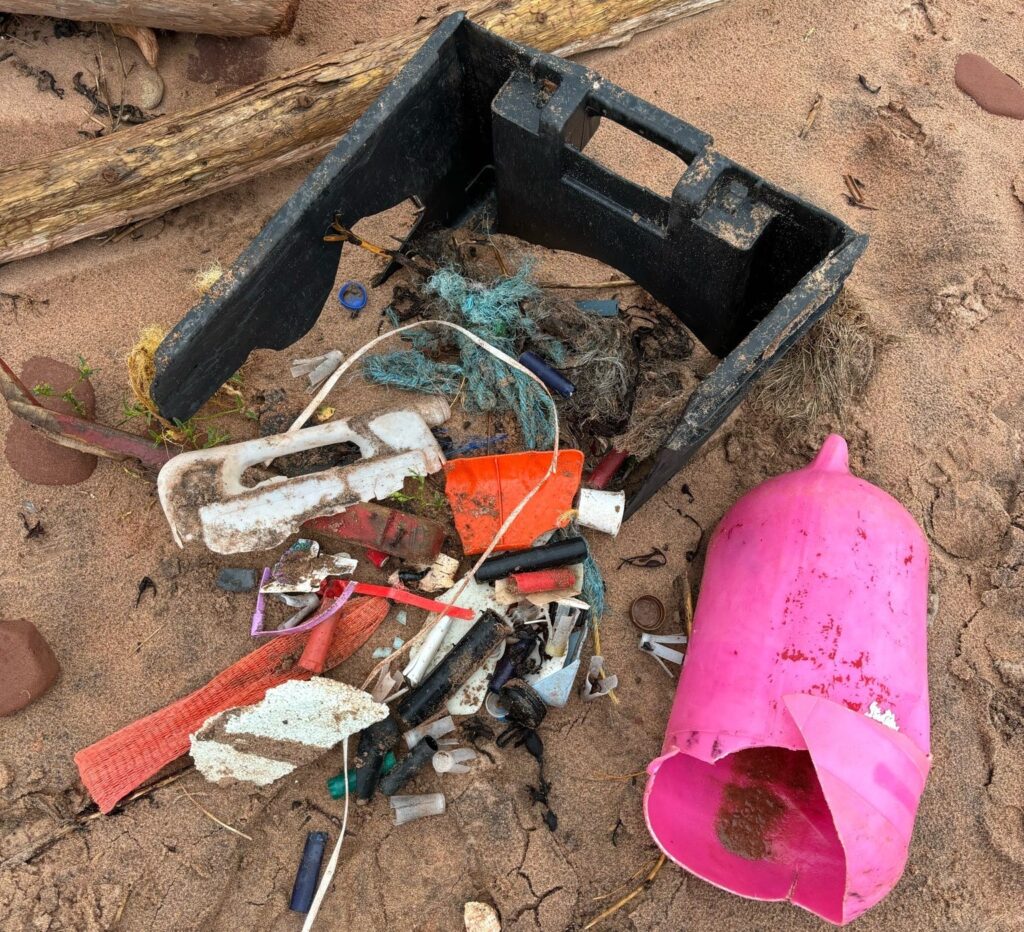
Unfortunately, litter and marine debris are widespread on many beaches. Broken glass, sharp metal, plastics, and other items are all commonly found at the beach and can pose a significant threat to your dog if left unattended.
-
Respect for others
Though we are all big dog lovers here at INT, not everyone is comfortable around dogs. Harmful past experiences and unfamiliarity can make others nervous around unfamiliar pets. Keeping your dog on leash is the best way to be respectful in public spaces and ensure that everyone can enjoy our beaches while feeling safe.
Respect for other dogs
Like us humans, dogs can have troubled pasts or anxious tendencies. You cannot assume the temperament of another dog. It may be unsafe for your dog to approach off-leash or cause distress for the other dog.