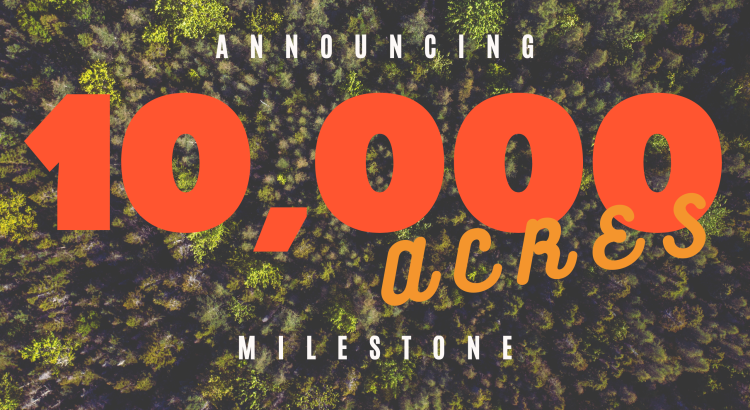
Island Nature Trust (INT) is excited to announce that it has achieved a major conservation milestone by protecting over 10,000 acres of land in Prince Edward Island. This achievement marks a significant point in the organization’s ongoing efforts to protect and conserve the natural beauty and biodiversity of the Island.
Read moreCategory: Latest Articles
INT Expands its ‘Corridors of Connectivity’ Mission with Generous Land Donation in Blooming Point
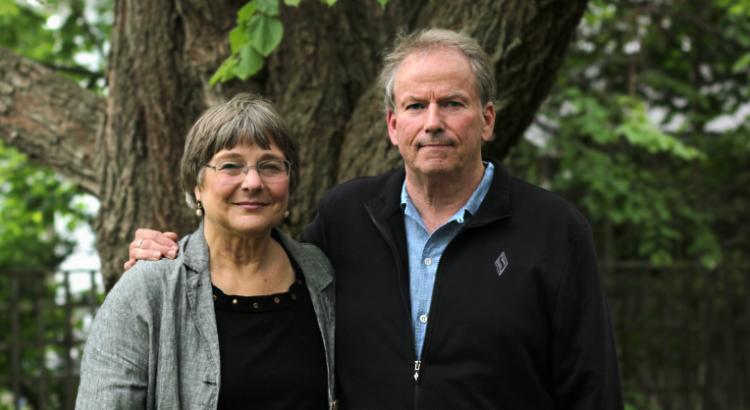
Island Nature Trust (INT) has reached a major milestone in its conservation efforts. With the recent donation of 15 acres by Bruce and Patricia Craig (pictured), INT’s total acquisitions of ecologically important land now exceeds the 10,000-acre mark. This contribution located in Blooming Point on the Old Bedford Road, not only expands connectivity for wildlife, but also strengthens conservation efforts and promotes the preservation of surrounding ecosystems.
Read more
INT seeks donations from PEI landowners through its Add A Patch campaign
INT’s Add A Patch campaign launches with the hope to reach the goal of protecting10 per cent of PEI’s ecologically significant land, through generous donations of land.
Since 1979, INT has been steadfast in its mission to acquire and protect ecologically significant land on Prince Edward Island. This is particularly challenging because 87 per cent of P.E.I. is privately owned, making it the highest per capita rate in Canada.
This disproportionate ownership is the by-product of a 1770’s colonial land grab, where PEI, known then as the Island of St. John, was mapped and divided into 67 lots and townships. Hundreds of years later, these policy decisions continue to impact conservation efforts and stymie the Island Nature Trust’s overall goal of protecting 10 per cent of the Island’s land.
2022 Bank Swallow Review

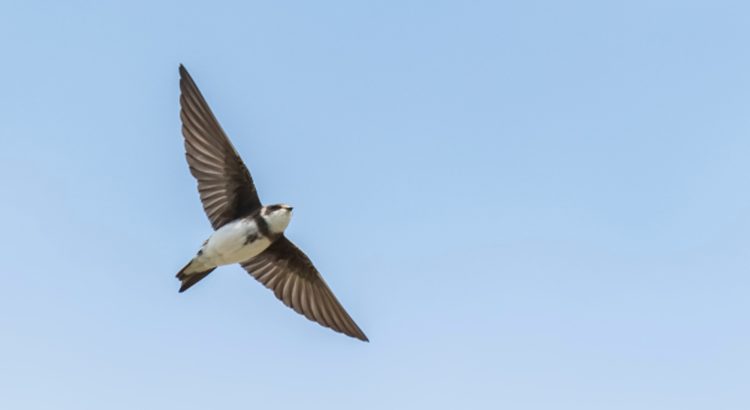
Bank swallows (Riparia riparia) are insectivorous songbirds with a distinctive dark brown breast band separating their brown upperparts from their white underparts. Known for their fast, agile flights, these small passerines can be seen buzzing acrobatically through the air along Prince Edward Island’s coasts during the spring and summertime. Bank swallows nest colonially in sandstone cliffs, till bluffs, high sand dunes, and sand pits. As they fly over nearby meadows, wetlands, and agricultural grasslands they forage on insects like beetles, wasps, bees, flying ants, and mayflies. Based on this feeding strategy, bank swallows belong to a guild of birds called aerial insectivores. Like many aerial insectivores, bank swallow populations in Canada are declining due to threats contributing to the loss of their breeding and foraging habitats: land use changes and associated agricultural intensification, and the practice of shoreline armouring. Bank swallow may also be indirectly impacted by pesticide use, which reduces the abundance and availability of their insect prey. In recognition of these threats, bank swallow was listed as a threatened species under the Species at Risk Act (SARA) in 2017.
Read more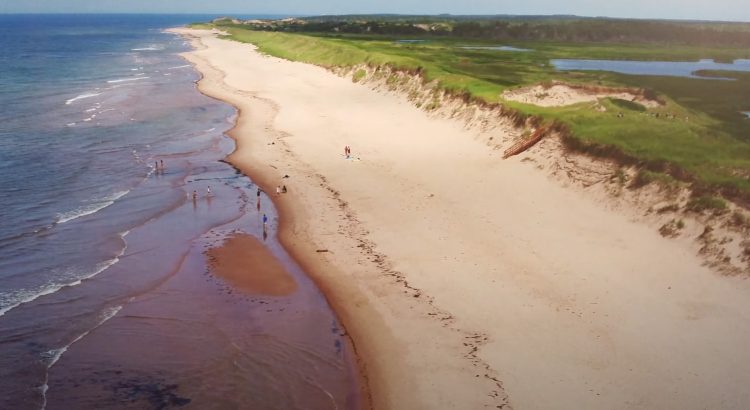
Protecting PEI’s dunes | Your footsteps count! | Island Nature Trust
Did you know that sand dunes protect Prince Edward Island from erosion and flooding? They are dynamic and ever-changing, and they do their job well. While Hurricane Fiona made headlines with her wind and waves, storms are the norm on the coast. The good news is that nature is already hard at work adapting and rebuilding.
Read more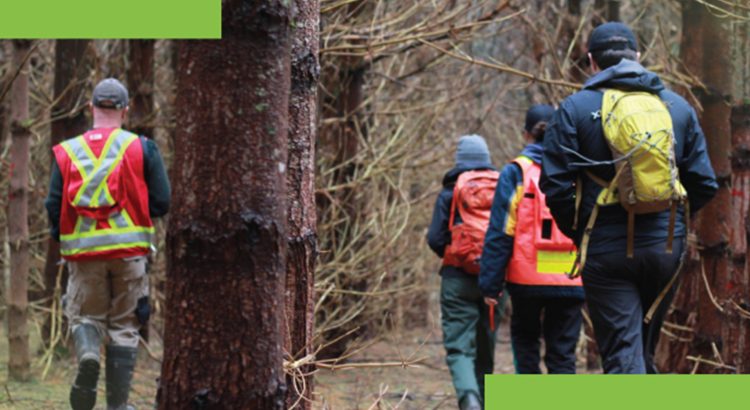
Artificial Intelligence for Island Community Conservation
In 2022 Island Nature Trust (INT) was awarded funding from RBC Foundation through RBC Tech for Nature to implement a technology-based project, “LandSteward: Artificial Intelligence for Island Community Conservation.” Through this project INT collaborated with Korotu Technology Inc. (Korotu) to create, launch, and pilot “LandSteward” – a cutting edge technology utilizing remote sensing data and artificial intelligence driven analysis tools to monitor changes in the landscape – allowing INT to explore ways that technology can help the organization achieve its vision of a network of protected areas across Prince Edward Island.
Read more
Seed Tree Sponsorship
In response to the damage created by post-tropical storm Fiona, and the anticipated long recovery process for INT’s forested areas, the Trust has recently launched an initiative aimed at protecting and stewarding important native seed trees. Through Seed Tree Sponsorship we are asking individuals and businesses to sponsor an identified seed tree in one of our natural areas. These trees, with their proven DNA, will be instrumental in the natural regeneration of their respective immediate landscapes, not to mention great seed providers for nurseries dedicated to ensuring a steady supply of native species for planting.
Read more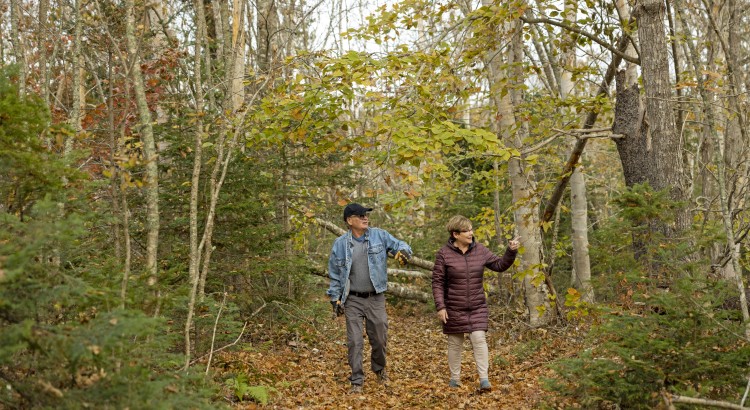
Buote family donates legacy upland hardwood forest in New Glasgow
It’s a crisp fall morning. The leaves crunching under our feet betray the silence as Rowena Lawlor and Faren Buote accompany me into the Buote Heritage Woods Natural Area in New Glasgow. The stand of old white pine trees greeting us at the entrance to the trail have a stoic presence. The forest is looking unusually skeletal for this time of year from the impact of Hurricane Fiona. Only a few isolated red and amber patches are visible, indicating some leafed branches were spared the intense winds that tore through the rest of the canopy a few weeks earlier.
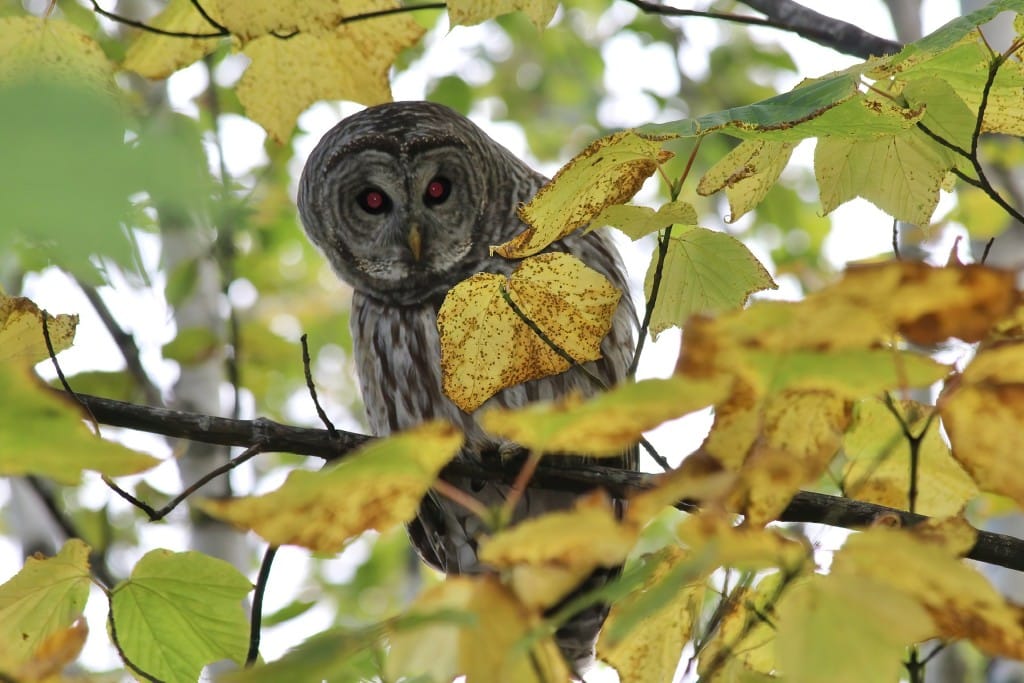
‘This is the spot where my siblings and I came across a large owl last year,’ says Rowena, one of eight siblings who – as a family – donated the woods to Island Nature Trust in 2021. Her voice crackles with emotion. ‘Walking together in the woods it suddenly appeared ahead of us in the trees. It felt like the owl was our mother Clarice proudly looking down on us. She would have been so happy to know that this land is now protected, forever’.
Thanking nature in the wake of post-tropical storm Fiona
‘It could have been worse!’ This is the sentiment lingering in the minds of many Islanders after Hurricane Fiona hit the Island as a powerful post-tropical storm on September 23-24, 2022. Those who saw iconic sand dunes disappear and swaths of forested areas flattened by the winds witnessed the immediate impacts of one of the most damaging events in recent Island history. Nevertheless, the team at Island Nature Trust is striving for a more positive outlook and a regenerative way forward that can give hope to all Islanders.
Read more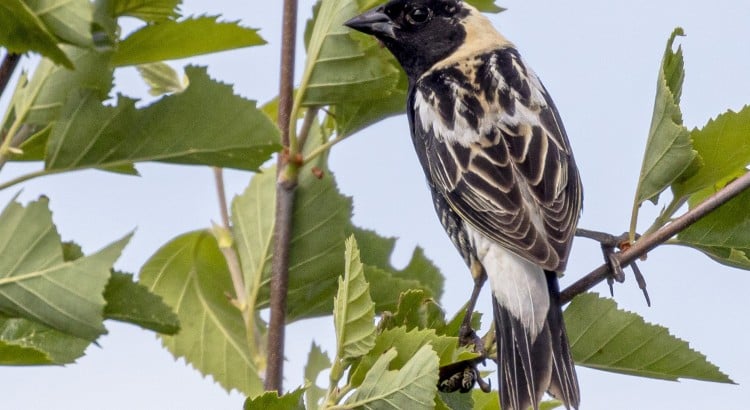
Farmland Birds Program – 2022 Season In Review
As the summer comes to an end, so does our Farmland Birds program. This program is a partnership with the provincial department of Environment, Energy and Climate Action, as well as the federal program for Species at Risk Partnerships on Agricultural Lands.
Read more